Taxonomy & naming
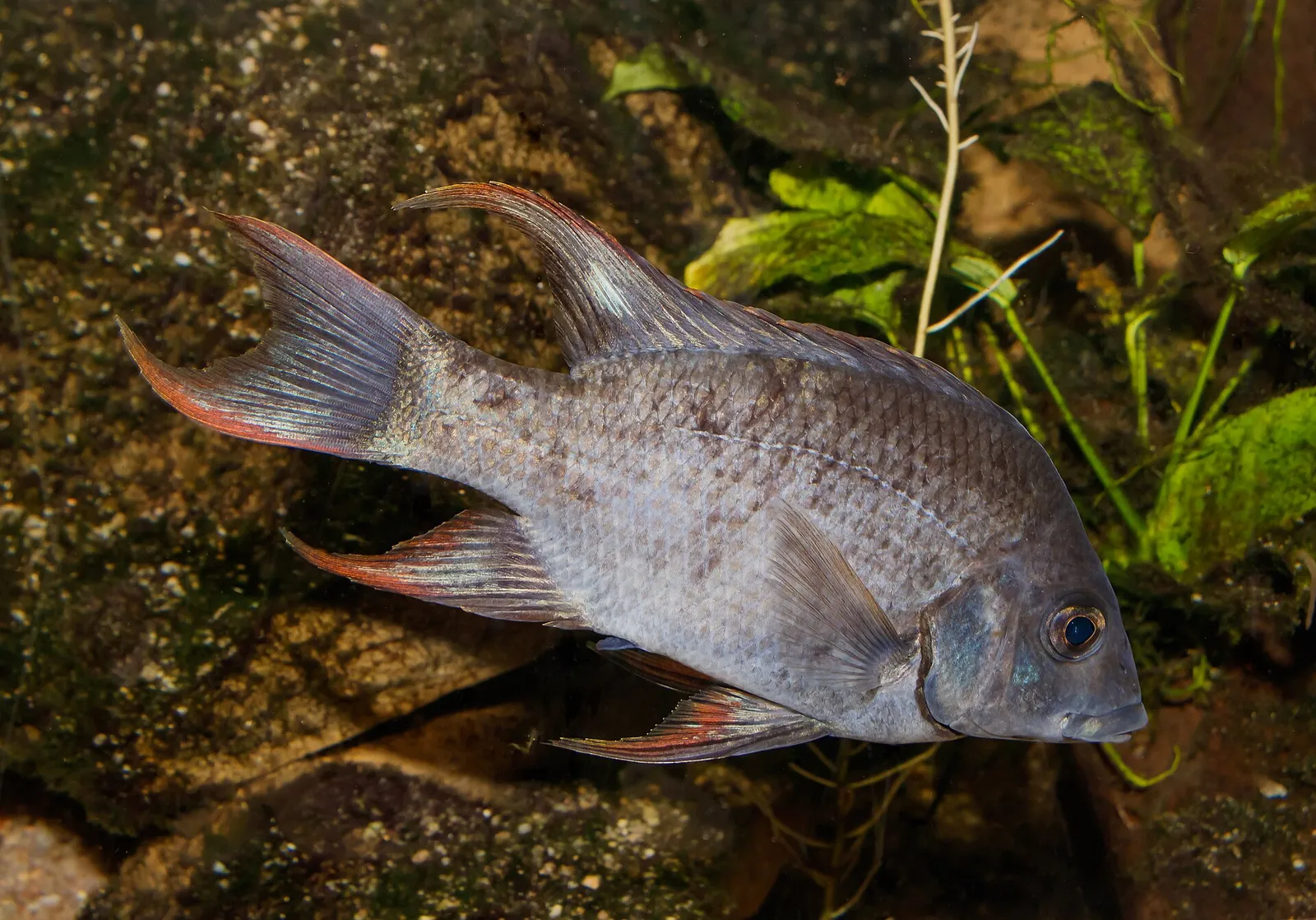
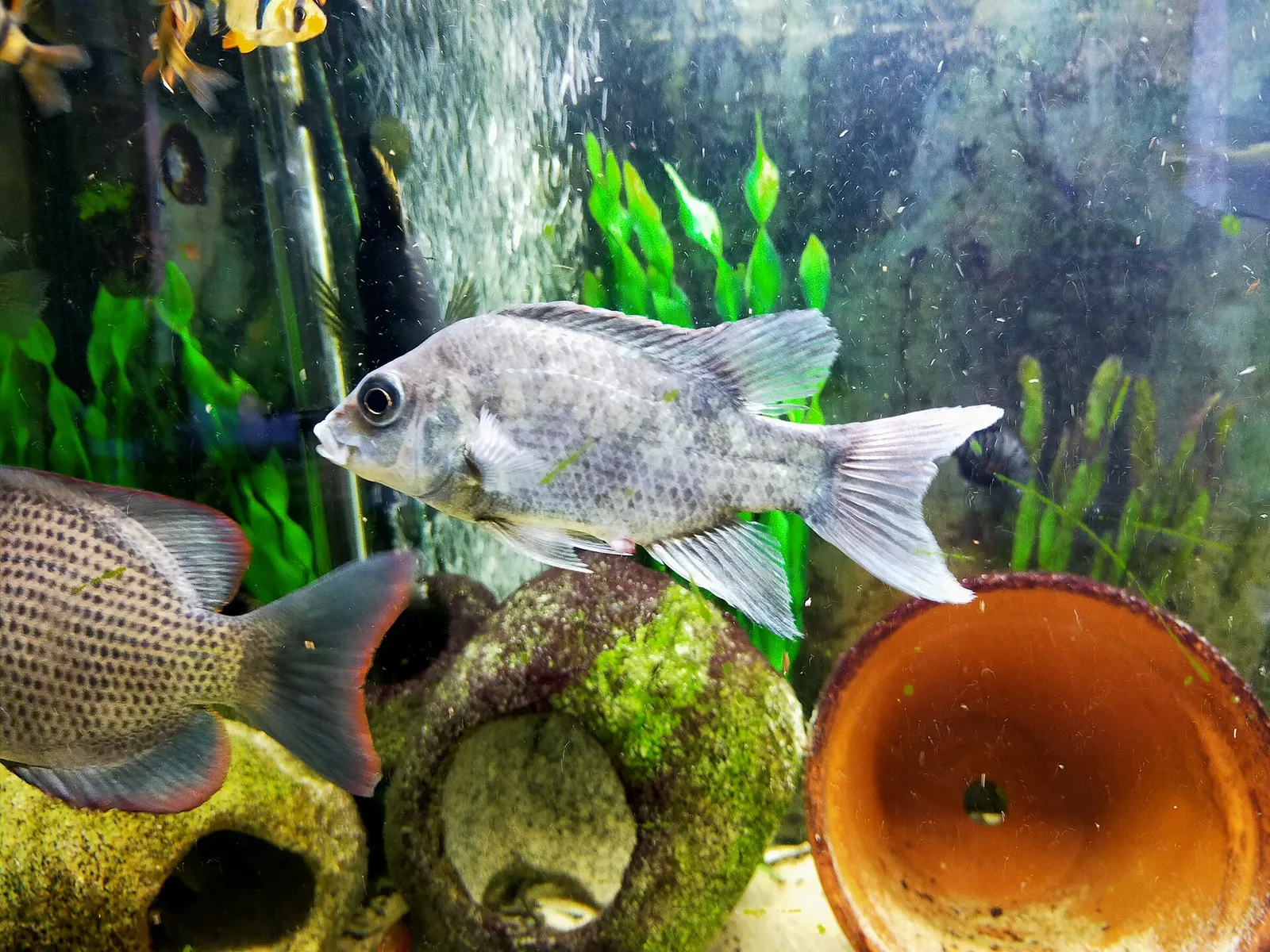
Ptychochromis insolitus was described in 2006 by Melanie Stiassny and John Sparks of the American Museum of Natural History, part of their systematic revision of Madagascar's Ptychochromis and related endemic cichlids. The genus name Ptychochromis combines the Greek ptyx (stem ptycho-), “fold,” with chromis, a classical fish name. The species epithet insolitus is the Latin adjective for “unusual” or “unaccustomed,” a name choice that itself signals the describers regarded this species as an atypical or unexpected addition to the genus, though the precise character that prompted the name is not confirmed here.
Morphology
The name Ptychochromis insolitus implies a distinctly atypical body form, colouration, or other diagnostic feature relative to its congeners, though the specific character responsible for the epithet is not confirmed in the sources used here. Beyond this, it is expected to share the moderately deep-bodied, laterally compressed general form typical of the genus.
Habitat
Ptychochromis species generally inhabit rivers, streams and associated lakes across Madagascar. Specific locality and drainage records for Ptychochromis insolitus have not been confirmed in the sources used for this article.
Feeding
No specific dietary study for Ptychochromis insolitus has been confirmed here. Malagasy Ptychochromis generally feed as omnivores or invertivores in the wild, but assigning a specific diet to this species without direct evidence would be guesswork rather than documentation.
Mating
Courtship and spawning behaviour have not been documented for Ptychochromis insolitus specifically. Madagascar's Ptychochromis and related endemic cichlids show varied reproductive strategies across the group, and the specific mode used by this species has not been confirmed here.
Breeding
No published breeding account exists for Ptychochromis insolitus in the sources used for this article. Reproductive details remain undocumented for this species.
In the aquarium
Ptychochromis insolitus has essentially no presence in the mainstream aquarium trade. Where captive stocks exist, they are maintained by specialist keepers connected to Malagasy cichlid conservation efforts rather than sold commercially.
Conservation
The CARES Preservation Program lists Ptychochromis insolitus in its most urgent category, CARES Critical (CCR), in its March 2026 Cichlidae priority list. No IUCN Red List assessment for this species could be confirmed here, though Madagascar's endemic cichlid fauna has been the subject of intensive Red List assessment work overall, with most Ptychochromis species ranked Critically Endangered or Endangered. The pressures are severe and consistent across the genus: introduced predatory fish, particularly snakeheads (Channa maculata and C. striata) and largemouth bass (Micropterus salmoides), have devastated native fish populations across much of lowland Madagascar, compounded by deforestation-driven siltation and wetland conversion to agriculture. A Critical CARES rating for a Malagasy cichlid is consistent with the broader emergency facing the island's freshwater fauna, widely regarded as among the most threatened in the world.